Cattle processors report drop in heifer slaughter
Packinghouse data shows a decline in heifer processing through the first three quarters of 2026, while dairy cow numbers hit a 34-year high.
By Simon Bennett ·
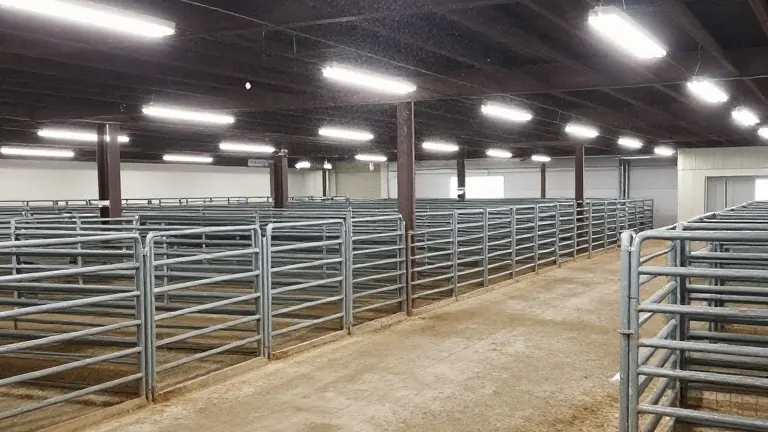
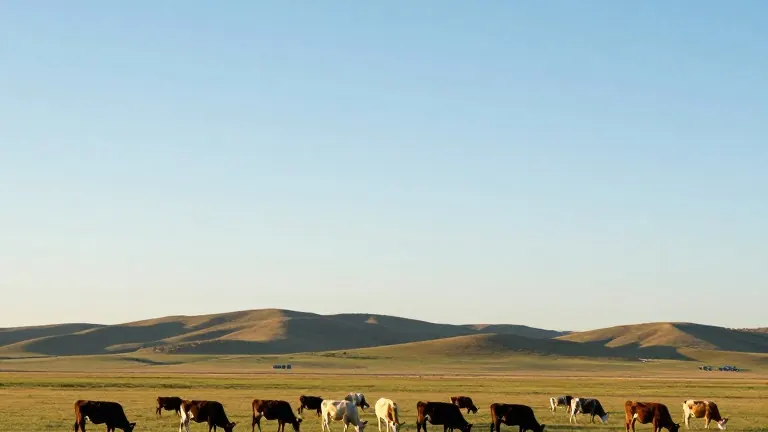
Auction barns across Wyoming and cattle country are debating whether the beef herd is rebuilding. Processed cattle levels are at historic lows, but the second phase of rebuilding, heifer retention, shows little movement. The situation varies by region, with drought areas facing different conditions than those that received recent rain.
Some parts of Arizona, southern Colorado, and New Mexico have seen excess flooding and green grass. These conditions provide ranchers with more management options. Producers in these areas are selling heifers, likely to upgrade their herds rather than liquidate them.
Feedlots still hold many heifers, and some are heading to winter wheat pastures. For the last three years, producers have kept pregnant cows to produce extra calves. This practice has aged cow herds, meaning those animals will eventually need to be sold and replaced.
Derrell Peel, an Oklahoma State University Extension livestock marketing specialist, stated that cyclical herd growth requires two distinct biological phases: decreased beef cow culling and increased heifer retention. Peel noted that the sharp drop in monthly heifers processed in recent months may be a stronger indication of heifer retention.
Packinghouse figures show that through the first three quarters of 2026, heifers processed fell more than 11 percent year-over-year. This decline is more than twice the drop seen in steers. Heifers averaged 37.8 percent of total fed slaughter, down from a cyclical peak of 40.1 percent in late 2023. In July, beef replacement heifer processing increased by 100,000 head compared to the same month last year.
The U.S. dairy herd is also supplying cattle for slaughter, currently the largest size in 34 years with cow numbers above 9.7 million head. Kathleen Wolfley, vice president of insights at EA Risk, said she does not rule out 10 million milk cows as a possibility. She noted that the U.S. dairy herd has not topped 10 million cows in nearly four decades, with the annual average last exceeding that mark in 1989 at 10.04 million head. Strong dairy-on-beef cross calf prices and favorable milk margins have encouraged dairy producers to hold onto more animals.
Large processing investments in Texas, Kansas, and South Dakota have supported dairy expansion in those regions. When day-old dairy-on-beef calves approached $2,000 a head, the economics of milk production became more favorable. Nearly one in four feedlot cattle are dairy-on-beef crosses.
More Business · Cheyenne news · Rip-Off Report · Report a business · Got a Story?