Seminole County sports plan faces $211M shortfall
An independent audit reveals a massive funding gap in the proposed indoor facility, forcing the county to weigh three distinct financial paths.
By Simon Bennett ·
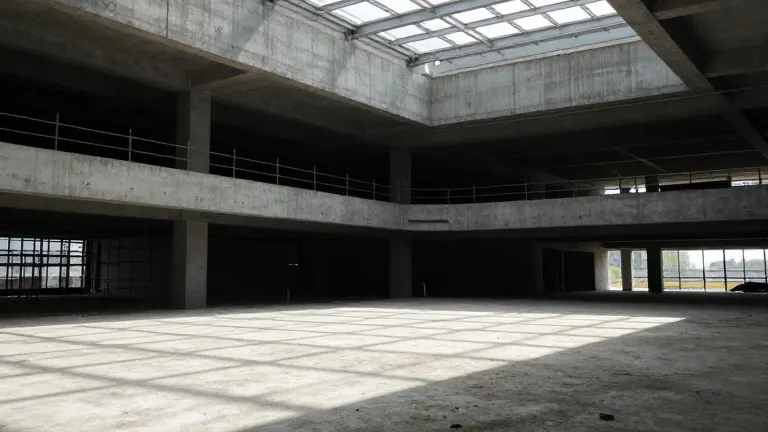
A new independent report released this week projects a $211 million funding gap for Seminole County’s proposed indoor sports complex. The white paper, prepared by the Division of Inspector General for the Clerk of Court and Comptroller, details the financial risks associated with the $175 million project. The analysis suggests the facility will not be self-sustaining under current projections.
The financial disparity stems from a mismatch between projected costs and expected revenue. Consultants estimate the complex would generate $2.4 billion in local economic impact over 30 years. However, the report calculates that direct revenues from operations and tourism taxes would total only $121 million during that same period. If the county finances the full estimated cost, debt service would reach $332 million. Even if the county covers only its estimated $110 million share, the report projects an $88 million gap remains.
The project scope has expanded substantially since its initial conception. In 2023, the proposal called for a 139,000-square-foot facility costing $61.1 million. Current plans envision a structure between 161,000 and 178,500 square feet with a price tag ranging from $160 million to $175 million. Clerk and Comptroller Grant Maloy noted that the costs have grown substantially. He stated, “It is important for the County Commission to carefully consider all of the potential risks and impacts to the taxpayers before moving forward with one of the most expensive projects in county history.”
The report also identifies non-financial risks that could affect the project’s viability. The proposed site sits next to a masonry and concrete operation, raising questions about air quality, dust, noise, and traffic. The inspectors recommend completing full environmental and operational compatibility studies before construction begins. Additionally, the analysis points to growing regional competition from nearby counties that operate or plan similar large sports facilities.
County leaders now face three options outlined in the white paper. They can proceed with public funding and accept the financial risks, explore a public-private partnership to limit exposure, or delay the project until funding improves. Seminole County officials responded that the project was initiated at the request of the hotel industry, which created a Tourism Improvement District to help fund the effort. Since collections began in April 2025, that district has generated nearly $4.8 million in revenue.
The county maintains that no property tax revenues are planned for construction. Officials described the 2023 figure as a preliminary conceptual estimate rather than an established budget. The Board of County Commissioners authorized agreements for design and construction management services in August. The board is scheduled to receive an update on project costs and next steps in January.