Casper Transit to Replace Four Routes with Micro-Transit Vans
A new hybrid model cuts fixed bus lines to two, adding on-demand curb-to-curb service to reduce wait times for riders.
By Simon Bennett ·
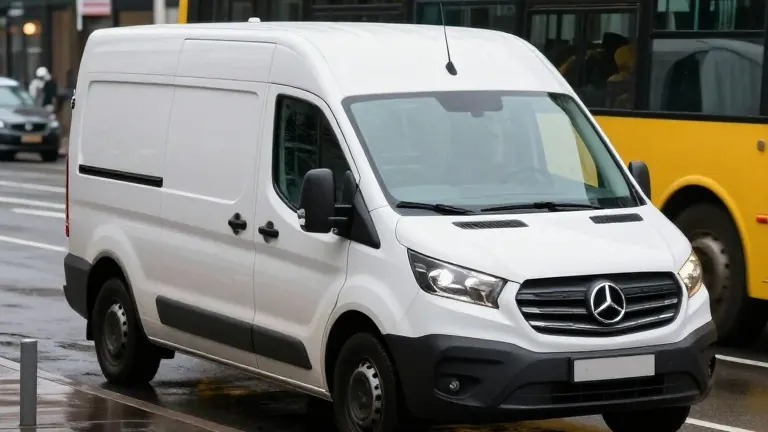
Casper Area Transit will consolidate its fixed-route bus network into two primary lines and introduce on-demand micro-transit vans, according to a study presented to the Casper City Council on Tuesday. Transportation planner Mikhail Kaminer of Fehr & Peers detailed the findings from the recent route and schedule analysis. The plan received the highest level of early public support among three proposed options.
The proposed model operates on a hybrid basis. Two main fixed-route lines will run on 30-minute schedules. Micro-transit vans will provide curb-to-curb service in designated zones. Passengers can request these rides via a smartphone application or a call center. The service targets a response time of 30 minutes or less. Riders will pay the standard transit fare to be transported to fixed-route bus stops.
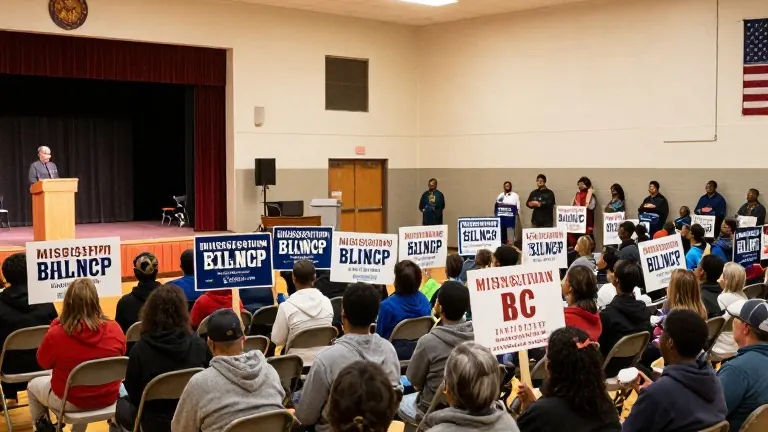
Public input shaped the final recommendation. Transit users identified medical facilities, grocery stores, and employment centers as their top priority stops during June outreach. Survey respondents expressed frustration with current wait times. They preferred faster, higher-frequency service over broad geographic coverage. Kaminer noted that the study team collected 80 responses for the first survey and approximately 60 for the second.
Casper Area Transit Director Vern Tystad cited inefficiency in the current system. He stated that roughly 60% to 65% of current ridership concentrates on the Blue and Green routes. The remaining fixed routes are under-utilized. Tystad described four additional LINK routes as driving in circles. He said the new structure allows the agency to deploy resources more efficiently.
The plan also recommends relocating Casper’s primary transit transfer station. The station currently sits on Beech Street. It would move to Casper City Hall. This change provides direct passenger access to central municipal services and downtown destinations. Kaminer acknowledged that implementing micro-transit requires the most operational changes, including updating signage across the network.
Fehr & Peers initially developed three cost-neutral routing options. The first option maintained the current one-hour service frequency while merging the yellow and green lines. It expanded service further north and east. The second option prioritized frequency by reducing bus arrivals to every 30 minutes. It combined the purple, blue, and orange routes into a single route and shifted the green line to a dedicated north-south corridor. The third and preferred option balances speed and accessibility with the streamlined two-line and micro-transit model.
Kaminer noted that the micro-transit option could attract new riders. Some residents may be willing to try on-demand services even if they do not currently use fixed-route services. Casper Area Metropolitan Planning Organization Director Beth Andress said members in neighboring communities support the move. She noted that Evansville and Mills currently pay for expensive buses. Moving to micro-transit could lower their long-term costs.
The Casper City Council voiced support for the plan at the Tuesday meeting. Andress stated that consultants and local leaders have not yet presented the plan to other local governments. Final implementation requires official votes from the city councils in Casper, Mills, Evansville, and Bar Nunn. The Natrona County commissioners must also approve the plan before it proceeds.
Source: Oil City News · original report published