Gold Falls Below $4,000
Rising Treasury yields are making bonds a more attractive investment than unyielding metal, even as geopolitical tensions persist.
By Alyssa Parker ·
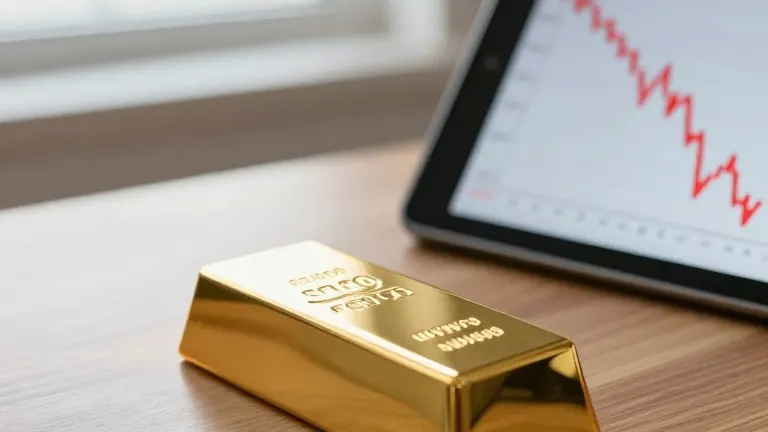
Gold has lost its recent luster, slipping below the $4,000 per ounce mark this week.
The decline marks a sharp correction from the nearly $5,600 peak reached in January. Investors had piled into the metal earlier in the year, viewing it as a standard safe haven against a volatile global environment. That environment has not settled. The war with Iran continues, and a criminal probe into the Federal Reserve chair remains open. Despite these ongoing uncertainties, the price of gold is dropping.
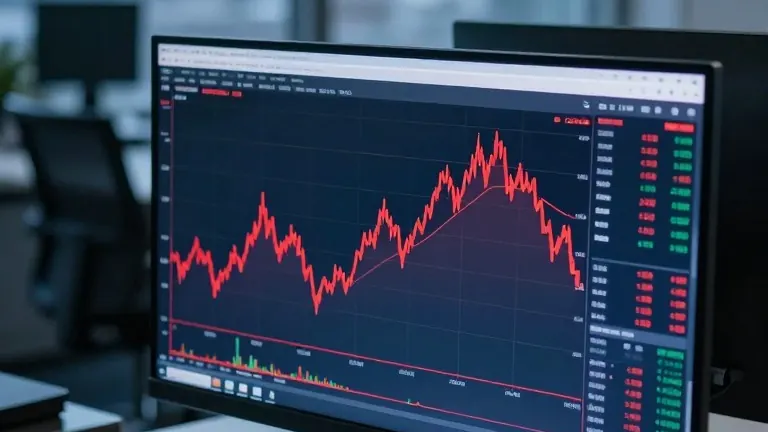
The price action traces a path back to the start of the year. In January, buying pressure drove the metal to its high point. Since then, the trend has reversed. This week, the price crossed under the $4,000 threshold. The drop occurs even as the geopolitical landscape remains turbulent, a factor that historically supports gold prices.
The primary driver of the decline is the rise in Treasury bond yields. Jeff Guo, co-host of Planet Money, explained the mechanism behind the shift. He noted that while gold is considered a safe asset and an inflation hedge, it does not generate income or interest. In contrast, a 10-year Treasury Inflation-Protected Security, or TIPS, currently pays an income above and beyond inflation. This makes bonds a more compelling option for investors seeking reliable returns.
The conflict with Iran plays a secondary role in this equation. Guo observed that the main economic effect of the war so far has been to raise the price of oil. Higher oil prices contribute to rising interest rates. As rates climb, bonds become more attractive relative to gold, which offers no yield. This dynamic is outweighing the traditional flight to safety during wartime.
The market is currently pricing in the value of income over speculation. The rise in Treasury yields provides investors with a tangible return that gold cannot match. This shift in preference is pushing capital away from the yellow metal and into fixed-income securities.
The drop below $4,000 per ounce stands as the current market reality. The metal has retreated from its January high of nearly $5,600. The price action reflects a preference for assets that pay interest in an environment of rising rates.
More Business · Rip-Off Report · Report a business · Got a Story?