Interior Department Proposes Cuts to BLM Land Planning Rules
The new regulations would shorten public comment periods and alter environmental review requirements for public lands across the West.
By Alyssa Parker ·
Thirty-five thousand public comments flooded the Bureau of Land Management following the release of a draft plan for 3.6 million acres of public land in southwestern Wyoming. That reaction has become a focal point for a new federal proposal aimed at streamlining how the agency manages its lands. The Department of the Interior announced it is updating the regulations that govern land-use planning. The changes come three years after the Rock Springs Resource Management Plan revision sparked a political controversy in the state.
The Interior Department states the proposal seeks to remove outdated requirements and improve coordination with state and local governments. BLM Director Steve Pearce said the current process is too slow and complicated. He noted that the proposed changes would help the agency make decisions more efficiently. Pearce also said the updates would reduce costs for taxpayers and improve coordination with communities that rely on public lands.
The BLM manages more than 245 million acres, the most of any federal agency. In Wyoming, the agency oversees 18.4 million acres of public surface land. This amount represents about one-third of the state. The agency uses resource management plans as blueprints to guide activities such as recreation, mineral leasing, and grazing. These plans identify areas designated for drilling, grazing, or protection.
Conservation groups argue the new rules will limit public input. Julia Stuble, the Wyoming State Director for The Wilderness Society, said the proposal grievously limits public input. She stated that the changes undermine the agency’s ability to conserve naturally or culturally significant places. Stuble described the move as an attempt to put politics over people and allow top-down directives to override local community input.
The proposed changes include specific alterations to the existing regulations. The plan redesignates the section titled Environmental Impact Statement to Environmental compliance. It removes the language that requires the BLM to prepare an environmental impact statement every time it develops or revises a plan. The proposal also amends public participation guidelines. It removes the requirement to publish notice in the Federal Register when a planning process begins. It also eliminates a 30-day public comment period on significant changes made to a proposed plan prior to a decision.
The rules would remove the 90-day public comment period requirement for all draft land use plans, revisions, and amendments supported by environmental impact statements. The proposal also targets requirements for Areas of Critical Environmental Concern. These are lands deemed to require special management to protect important values. The new rules would remove the requirement for identifying these areas in a draft land-use plan. It would also remove the associated 60-day comment period and the requirement for a Federal Register notice publication.
Secretary of the Interior Doug Burgum said public lands are set aside for the benefit and use of the American people. He argued that these lands should be managed by the people closest to the land. Burgum stated that management should not be held back by outdated bureaucracy in Washington, D.C. Stuble countered that the proposals would do the opposite by shutting down public input opportunities. She noted that the changes would shorten the governor’s review period.
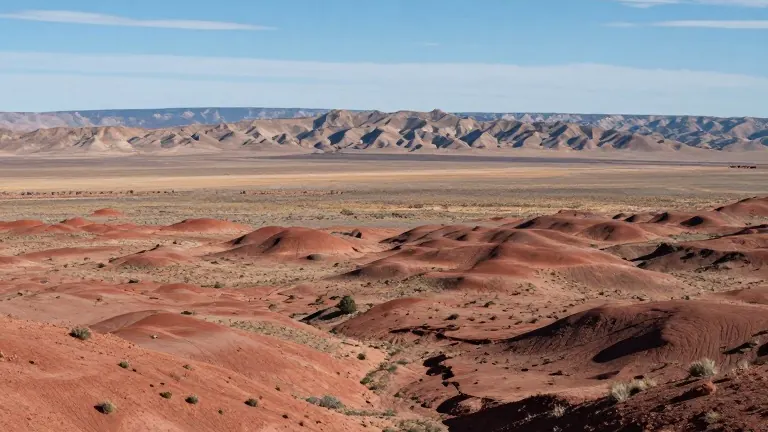
The Rock Springs field office plan covers 3.6 million acres of public lands and 3.7 million acres of federal mineral estate. The area includes the Red Desert, the Greater Little Mountain Area, and several ungulate migration corridors. The BLM released the draft plan in August 2023 after more than a decade of work. The draft’s preferred alternative included stricter limits on energy extraction and expansions of protected areas. Critics argued the plan would harm the local economy and close off areas to outdoor recreation.
Governor Mark Gordon formed a gubernatorial task force during the extended comment period. The task force included 11 members who reached consensus on more than 100 recommendations for the BLM. The agency finalized the 550-page record of decision in December 2024. Nine months later, the BLM announced it would be amending the plan. The agency stated it would review and revise the plan to ensure compliance with several executive orders issued under the Trump administration. These orders included Unleashing American Energy and Reinvigorating America’s Beautiful Clean Coal Industry.
BLM-Wyoming Acting State Director Kris Kirby told WyoFile in December that the agency would have amendments signed by October. The plan has yet to be finalized. The proposed changes are available for review in the Federal Register. The public can comment through January 11.