Interior Plan Proposes Selling Federal Lands to Local Buyers
The 2026-2030 strategic plan aims to reduce the federal estate, drawing sharp criticism from environmental groups across the West.
By Simon Bennett ·
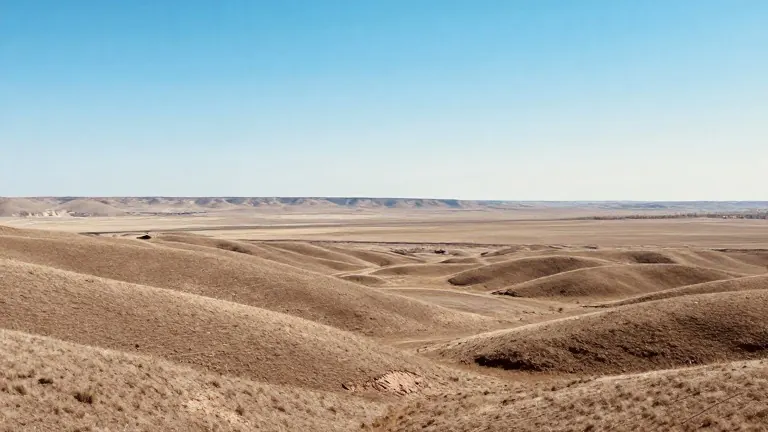
The U.S. Department of the Interior released a new strategic plan on Tuesday that outlines a shift in how the federal government manages public land. The 2026-2030 document states that the department will offer states, local governments, and tribes the chance to purchase federal lands. The goal is to shrink the federal estate and allow the Interior Department to focus resources on lands considered nationally significant.
The plan arrived about a week after Democrats won sweeping victories in the 2026 elections. Those wins gave the party control of both chambers of Congress for the 2027 session. This timing has led some advocates to view the release as a political move by a departing administration.
Kate Groetzinger, communications director for the Center for Western Priorities, described the timing in a statement to the Mountain West News Bureau. She called it a real lame duck move to release such a politically toxic plan. Her organization is one of several environmental groups that have pushed back against the new guidelines.
Federal law requires Congress to approve land sales larger than 2,500 acres. The administration can sell smaller parcels without that legislative oversight. The plan does not identify specific parcels for transfer. However, Groetzinger said lands managed by the U.S. Bureau of Land Management are most likely candidates. Those lands have varied uses including agriculture, energy, and recreation, unlike National Park Service lands which focus on cultural resources and outdoor recreation.
Critics worry that local buyers may privatize the land for profit later. Some local governments may struggle to fund the long term costs of managing large land areas. The plan includes language about pursuing rights of way agreements and direct land transfers to support reliable energy production. Groetzinger said the text reads like an open invitation to oil and gas companies, data center firms, and mining companies to request specific lands.
The strategy aligns with the Bipartisan American Affordability and Jobs Act, which the Senate recently approved. That act makes it easier to develop energy projects. Groetzinger called the combination of the new act and the strategic plan a death sentence for public lands. Supporters point to the act’s potential to boost renewable energy, although the Interior plan lists clean coal, oil, gas, hydroelectric, geothermal, and advanced nuclear technologies as reliable sources. Wind and solar are not included in that list.
The plan also calls for the Interior Department to consolidate its workforce to improve operational efficiency. This follows a year in which 300,000 federal workers were laid off. The Pew Research Center reported 7,210 separations at the Interior Department and 18,998 at the Department of Agriculture. Ellen Montgomery, campaign director for Environment America’s Great Outdoors, said leaders should fund agencies that manage public lands and protect more wild places rather than put existing lands in jeopardy.
According to the 2026 State of the Rockies survey from Colorado College, 74% of Western voters oppose selling some national public lands for oil and gas development. The federal government owns more than 50% of the land in five Western states. In Wyoming, the federal share is between 30% and 50%. Nationally, the government owns roughly 28% of all U.S. land, which amounts to about 640 million acres.
More News · Cheyenne news · Report a business · Got a Story?