Torah Reflection: A rabbi links Abraham's healing power to the sun
Rabbi Shmuel Rabinowitz argues that a Talmudic stone symbolizes the spiritual force of empathy and generosity.
By Simon Bennett ·
A question of spiritual inheritance sits at the center of a new reflection by Rabbi Shmuel Rabinowitz, the rabbi of the Western Wall and holy sites. Rabinowitz explores why a specific healing power associated with Abraham was not passed to his son Isaac, instead becoming linked to the sun. The piece appears in connection with the Torah portion of Chayei Sarah, which covers the death of Sarah and the purchase of the Cave of Machpelah.
The narrative begins with Abraham in his old age. The text describes him as blessed with everything, a phrase commentators interpret as indicating completeness. Rabinowitz notes that this completeness included longevity, wealth, honor, and children. According to the source, Abraham lacked nothing in the material world, setting the stage for a discussion on his unique spiritual qualities.
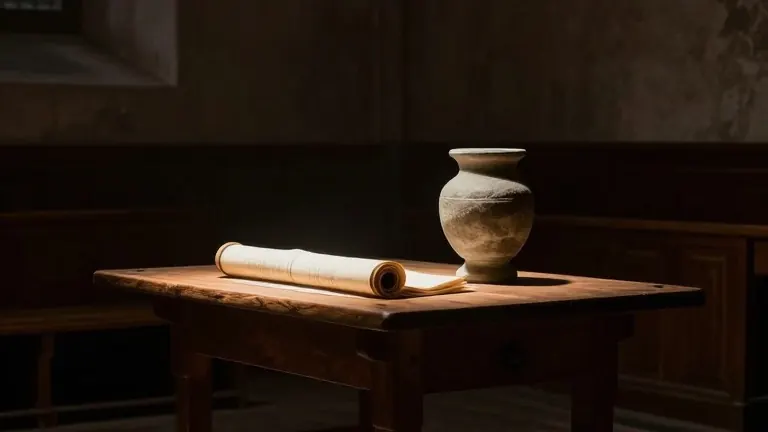
A Talmudic interpretation from Bava Batra 16b introduces a mystical element to this blessing. Rabbi Shimon Bar Yochai states that a precious stone hung around Abraham's neck. This stone had the power to heal any sick person who looked at it. After Abraham died, the stone was suspended from the orb of the sun. Rabinowitz uses this account to examine the nature of the stone and why it did not remain within the family lineage.
Rabinowitz cites Rabbeinu Bachya Ben Asher, an early commentator, who explains that the stone symbolizes the power of speech. This spiritual power was rooted in Abraham's profound generosity and kindness. The rabbi points to Genesis 18:27, where Abraham describes himself as dust and ashes. This self-effacement allowed Abraham to understand the feelings of those he spoke with.
This deep empathy enabled Abraham's words to penetrate the heart of his listeners. They felt his speech was directed entirely at their benefit. The healing was not merely physical but spiritual, touching the depths of emotions. Rabinowitz argues that this mode of influence was distinct from other forms of spiritual leadership.
The transfer of the stone to the sun is explained by the celestial body's nature. The sun gives light without taking for itself. It does not envy the moon and continues to share its light even after the moon was diminished. Rabinowitz compares this to the humility of Moses, whose face was compared to the sun in Bava Batra 75a due to his pure acts of giving.
In contrast, Isaac's spiritual approach was characterized by the fear of Isaac, which represents the attribute of judgment. While this stature is immense, it does not possess the same healing power through light and generosity as Abraham's approach. Consequently, the healing power associated with the stone was transferred to the sun to symbolize this specific mode of influence.
Rabinowitz illustrates this concept with a verse concerning Jacob after his struggle with an angel. The sun rose upon Jacob to heal his injured thigh. Rashi explains that the sun rose for Jacob's benefit, linking the celestial body to the healing power described in Malachi 3:20. The verse states that the sun of righteousness rises with healing in its wings for those who revere God's name.
Rabinowitz concludes that every person can emulate the sun by spreading warmth and light. Simple acts such as a welcoming countenance, a genuine smile, and true empathy for a friend's difficulties carry tremendous healing power. By engaging in pure giving, individuals carry on the legacy of Abraham and contribute to the spiritual continuity of their community.
More Culture · World news · Report a business · Got a Story?