U.S. skips Antalya climate summit as global energy crisis reshapes agenda
COP31 opens in Turkey amid high oil prices, with a focus on electrification targets and a missing American delegation.
By Alyssa Parker ·
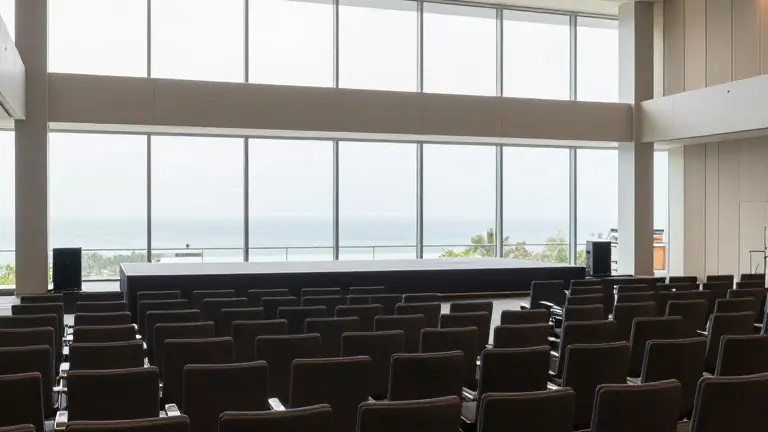
Negotiations for the United Nations climate conference, known as COP31, began in Antalya, Turkey, on Monday. Country leaders will gather for two weeks to discuss global energy security and emissions targets. The summit opens during the ninth month of the war between the United States, Israel, and Iran. That conflict has triggered a global energy crisis marked by the closure of the Strait of Hormuz and rising costs for oil and natural gas.
Kingsmill Bond, an analyst at the energy think tank Ember, notes that this crisis differs from past events. He stated, "This is the first time you've really had a global energy shock where you've got really cheap solutions to address it." Bond points to solar panels, batteries, and electric vehicles as those affordable alternatives. Many of these technologies are manufactured in China, offering participating nations economic security alongside lower carbon output.
The central goal of this year's talks is electrification. Bond describes the event as a focus on increasing the global electrification rate. The proposed target is to raise that rate from approximately 23 percent to 35 percent by 2035. Li Shuo, director of the China Climate Hub at the Asia Society Policy Institute, emphasized that solar and wind power allow for faster decarbonization. Financial services firm Lazard reports that large solar and wind projects now provide energy that is more cost-competitive than natural gas and coal.
Delegates will also address the transition away from fossil fuels. Saudi Arabia and Russia have historically opposed including specific fossil fuel language in final agreements. In April, more than 50 nations met to discuss phasing out oil, gas, and coal. More than 25 of those countries are currently developing a legally binding treaty to advance that phase-out. Supporters of the Fossil Fuel Treaty Initiative hope to recruit additional nations at the Antalya conference.
The United States is not sending a delegation to the talks. The State Department confirmed in an email that no U.S. officials will attend, mirroring last year's absence at the conference in Brazil. The current administration has reduced subsidies for electric vehicles and renewable energy while halting several renewable projects. However, some U.S. lawmakers are present. Sen. Sheldon Whitehouse, a Democrat from Rhode Island, is attending with other members of Congress. They plan to push for a carbon pricing mechanism to address pollution costs.
Whitehouse stated, "It cannot remain free for the fossil fuel industry to pollute if we want to have any chance of a pathway to climate safety." The presence of these legislators offers a channel for American policy influence despite the official absence of the executive branch. The two-week session will conclude with a final agreement text that delegates will vote on in Antalya.
The energy crisis has intensified the economic arguments for climate technology. Bond believes the financial benefits make it easier for countries to support changes at the conference. He said, "There's much more opportunity, I think, for people to get behind change at COP." The summit will end with decisions on the electrification targets and the status of the fossil fuel treaty discussions.
More News · Cheyenne news · Report a business · Got a Story?