Autumn storms lift Lake Powell levels but drought persists
Heavy rains in the Southwest increased reservoir storage slightly, yet Lake Powell remains well below historical norms due to a multi-decade dry spell.
By Simon Bennett ·
Heavy rainfall recently saturated the Arizona and Four Cornes region, sending water through streets and homes in communities from Flagstaff to Durango, Colorado. While the storms disrupted daily life and complicated voting access in parts of the Navajo Nation, the impact on the region's long-term water supply remains modest. Local water managers describe the influx as a temporary reprieve rather than a solution to the ongoing crisis.
Nolie Templeton, a reservoir monitor for the Central Arizona Project, noted that the additional water is welcome but limited in effect. "Very happy to have more water in the system, but it is quite literally a drop in the bucket, particularly when we're looking at a 27 year and counting drought," Templeton said. The Central Arizona Project, which transports Colorado River water to Phoenix and Tucson, tracks these upstream conditions closely. Despite days of intense rain, the overall status of the river system changed very little.
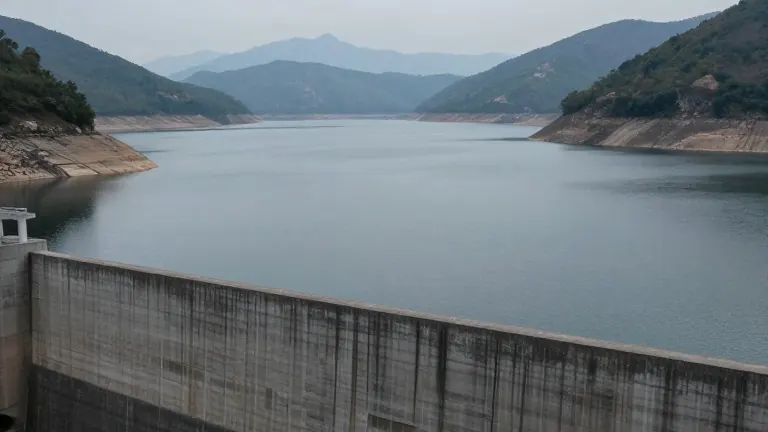
Lake Powell, the second-largest reservoir in the United States, rose 14 feet following the storms. However, its surface level still sits approximately 15 feet lower than it did at this time last year. Since October 20, the reservoir's fill level increased from 23 percent to 26 percent. October inflows totaled 232,000 acre-feet, a volume more than triple the average for that month over the previous five years. An acre-foot represents roughly one year of water usage for three homes in the Phoenix area, according to the Arizona Department of Water Resources.
The reservoir relies primarily on snowmelt from the Rocky Mountains for its volume. Autumn rains added approximately 850,000 acre-feet to Lake Powell this year, a figure that pales in comparison to the average spring inflow of 5 million acre-feet. Smaller upstream reservoirs saw more dramatic changes. Navajo Reservoir in New Mexico, which holds back the San Juan River, jumped from 50 percent to 80 percent full between early October and early November. Despite this increase, Navajo Reservoir retains only 7 percent of the capacity of Lake Powell.
Templeton estimates that it would require five consecutive winters of above-average snowfall to fill Lake Powell halfway. Given recent trends of warmer and drier winters, such conditions remain rare. Last winter was the driest in decades. Kathryn Sorensen, a water policy researcher at Arizona State University, emphasized that the recent flows provided critical breathing room for the infrastructure. "Given how critically low elevations were relative to the need to protect that critical infrastructure," Sorensen said, "these flood flows were really important and helpful. But in the overall picture, it does not boost overall storage, and it doesn't buy us a lot of time."
The low water levels have already affected downstream operations. Limited outflows from Glen Canyon Dam prevented a pulse of cold water into the Grand Canyon this summer, which is vital for native fish competing against invasive species. The reduced releases also contributed to dropping levels in Lake Mead, the nation's largest reservoir. Arizona, California, and Nevada have raised concerns about these shortfalls, with Arizona threatening legal action against upstream states over what it calls a violation of the century-old Colorado River compact.
The storms did yield some secondary benefits. The rain may have soaked dry mountain soils, allowing more future snowmelt to reach streams rather than being absorbed by the earth. Additionally, reservoirs along the Salt and Verde Rivers, which are important for the Phoenix metro area, rose from 48 percent to 69 percent full since October 1. The Salt River Project released large volumes of water from Bartlett Lake into the Salt River channel in downtown Phoenix. These flows are expected to help recharge the groundwater aquifer beneath the metro area.
Despite these local gains, the planned reductions to Arizona's Colorado River allocation remain on track to begin in the new year. Templeton described the water system as complex, noting that it is not like a tap that can be turned off and on. The recent rains have provided temporary stability, but long-term planning remains essential for managing the region's water resources.
More News · Cheyenne news · Report a business · Got a Story?