EPA proposes 95% methane leak fix
Agency drops 100% capture standard for oil wells; public comments open through Dec. 16.
By Alyssa Parker ·
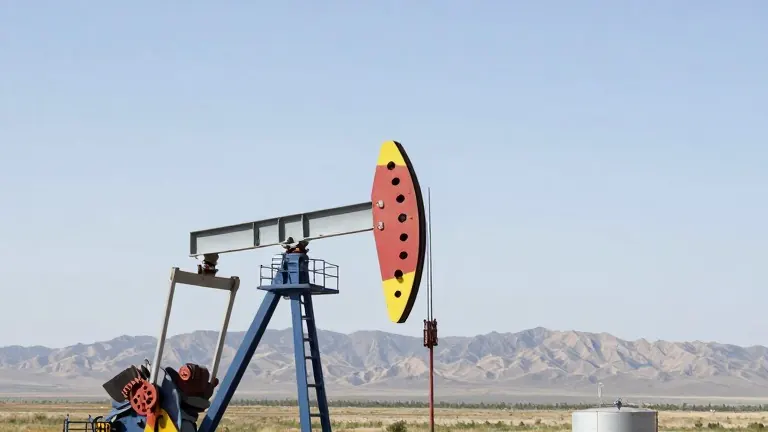
The Environmental Protection Agency proposes requiring oil and gas operators to capture 95% of methane emissions from wells, a drop from the 100% standard set in 2024. This adjustment would replace Biden-era rules that demanded total elimination of leaks from active sites. The change aims to lower compliance costs for operators while maintaining strict emission limits.
Cyrus Western, the EPA regional administrator for Wyoming and other mountain and plains states, argued that the 95% threshold is still a high standard. He stated that the previous 100% requirement could burden small, marginal wells that produce only a few barrels of oil daily. Western described many of these operators as small, family-run businesses with limited staff.
"Why would we force them to tie a hand behind their back, and maybe some of them even go out of business entirely, when there's an alternative that sets a very high standard?" Western asked. He noted that while the new rule eases requirements, it does not exempt operators from penalties for persistent or large leaks. Western emphasized that the agency intends to punish wrongdoers rather than grant a blanket pass for emitting methane over long periods.
Critics argue the new standard is insufficient to protect air quality and energy efficiency. Jon Goldstein, associate vice president for energy transition at the Environmental Defense Fund, warned that rolling back safeguards would increase methane pollution and health risks for nearby communities. The EDF analysis of Enverus data indicates that large companies, not small businesses, own the majority of low-producing wells. Companies with fewer than ten sites control only 3% of these well sites, while large firms dominate ownership despite these sites accounting for less than 5% of total oil and gas production.
The proposal may also eliminate the Super Emitter Program, a 2024 rule that required companies to respond to credible reports of major leaks. Although the national rules never fully took effect due to the change in administration, Colorado adopted the standards in September. The EDF estimates Colorado could cut around 30,000 metric tons of methane by 2038 if it maintains those stricter controls. Juan B. Mancias, tribal chairman of the Carrizo Comecrudo Nation, urged the EPA to retain effective safeguards, stating that the agency must protect ancestral relationships with the land through a transparent regulatory record.
More News · Cheyenne news · Report a business · Got a Story?