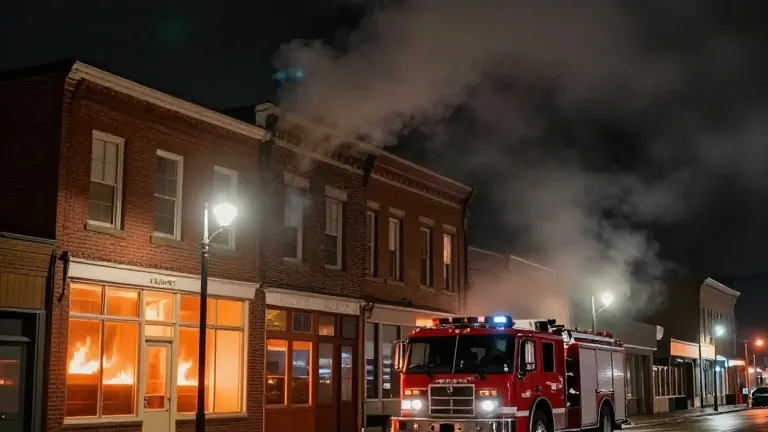
Ethiopian doctors report seven days of chaos in Mekele emergency room
Resumed fighting in the Tigray region has left hospitals overwhelmed, with health workers describing a lack of power, supplies, and staff.
By Simon Bennett ·
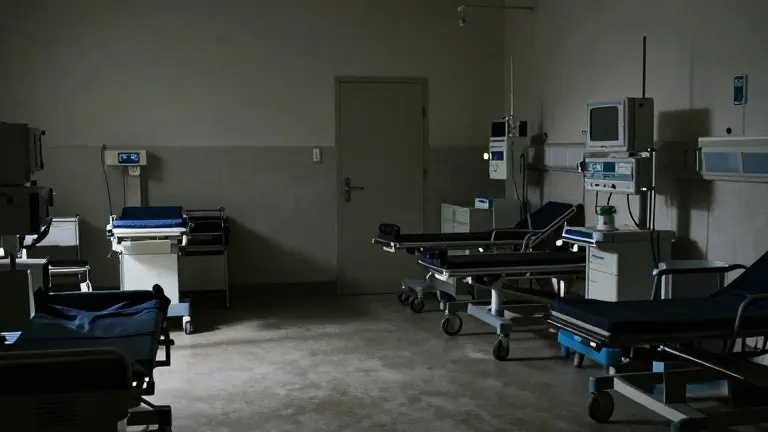
A surgeon in Mekele, Ethiopia, described a week of nonstop emergency care as fighting between the federal government and Tigrayan rebels resumed this fall.
The violence began in earnest on September 24, when the two-year ceasefire between the opposing sides started to break down. In the days that followed, injured people from the countryside poured into the capital city of the Tigray region. The surgeon, who asked for anonymity to avoid repercussions, said his team treated patients for up to eight straight days. During that stretch, the hospital had no electricity and no cell network service.
The emergency room filled with victims of gunfire, drone strikes, and mortar shells. Some patients were civilians, while others were uniformed fighters. The surgeon noted that it was difficult to predict the volume of arrivals because communications were cut. He said the floors of the hospital became so crowded with bodies that there was little room to walk.
World Health Organization Director-General Tedros Adhanom Ghebreyesus posted on social media in late October that the violence was pushing a fragile health system toward collapse. Ghebreyesus, who is Tigrayan and formerly served as Ethiopia's health minister, said hospitals were short on workers, medicine, and ambulances. He stated that the United Nations and WHO are working to deliver supplies to the affected areas. The post followed drone strikes in late October that killed at least 15 people, including children.
The current conflict is part of a longer struggle. In May, Tigrayan rebels removed regional leaders and installed new ones. In response, the federal government cut funding to Tigray, including for regionally run hospitals. Doctors in the area have not received pay for several months. Lindsey Green, a researcher for the U.S. nonprofit Physicians for Human Rights, said the attacks on healthcare are eroding the norm that medical facilities are protected during conflict.
A report published in August by Physicians for Human Rights and the Organization for Justice and Accountability in the Horn of Africa surveyed more than 600 health workers across three regions of northern Ethiopia. The survey found that 63% of respondents reported attacks on ambulances. An additional 57% witnessed an armed takeover of their clinic or hospital between 2020 and 2024. One worker in Mekele recalled Ethiopian forces occupying a hospital and forcing staff to step on the uniforms of Tigrayan rebels placed on the floor.
Green said armed groups sometimes occupied facilities to steal or destroy resources. The report confirmed that both rebel and government forces targeted health workers, often in retaliation for perceived community alliances. There has been no established way for victims to seek justice. A health worker in Tigray said more than 100 women died in childbirth over the past year due to a lack of medicine, providers, and fuel for ambulances.
Ayoda Werede, a California-based physician with the nonprofit Health Professionals for Tigray, said the Ethiopian military has not directly targeted health centers since the latest outbreak began. However, other groups have stolen supplies, including medication, equipment, and mattresses from patient beds. Werede described the thefts as opportunistic actions filling a vacuum created by the conflict.
The surgeon in Mekele said many doctors have already left the country. He expressed concern that the system is stretched beyond its capacity and that injured people will have nowhere to go as the conflict continues. He described the current situation as a repeat of past events and said the medical staff have lost their sense of security.
More News · Cheyenne news · Report a business · Got a Story?