
Housing Inventory Lags Behind Aging Population, Study Finds
A 2019 Census analysis indicates the nation lacks enough single-level dwellings to accommodate the surge in residents over age 65.
By Alyssa Parker ·
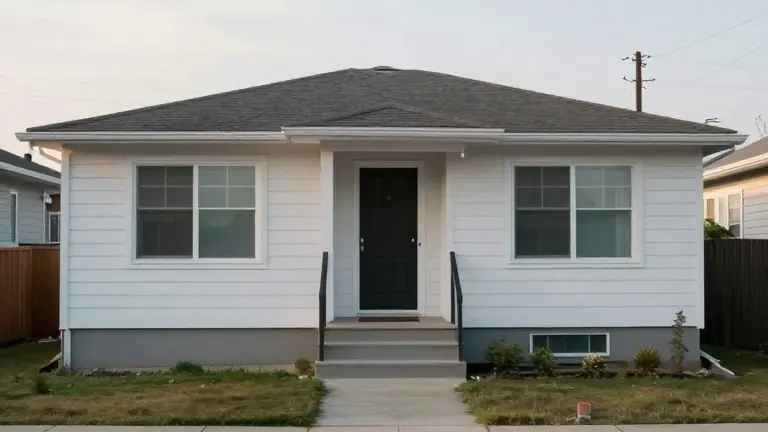
The United States is getting older, and the housing market is struggling to keep pace. A 2019 analysis of U.S. Census data concluded that the current supply of aging-ready homes is insufficient for the expanding number of older households. The projection shows a sharp demographic shift: in 2019, one in six Americans was 65 or older, a figure expected to rise to one in four by 2060.
The Census Bureau defines an aging-ready home specifically as a dwelling that features a bedroom and a full bathroom on the first floor, along with a step-free entryway. These structural elements are critical for residents who can no longer manage multiple levels. Heather Simon, a mortgage lender with 35 years of experience, notes that client preferences have shifted dramatically in the last six to seven years.
Simon observes that couples who have lived in large, multi-level homes for three decades or more are finding their current living spaces unsuitable. She reports that many clients are moving out of residences ranging from 4,000 to 5,000 square feet in favor of smaller, single-level homes. These buyers prioritize features such as a master suite on the ground floor, wider hallways, fewer stairs, and zero-step showers. Simon states that inventory for this specific type of housing is low, particularly in Virginia where one-story homes of the right size for downsizing couples are scarce.
Beth Powell, who owns Home with Heart and assists clients in downsizing, agrees that the market is missing the right options. She argues that patio homes are not a viable solution because they often lack accessibility and come with high price tags. Powell questions why homeowners who have paid off their existing properties should take on new debt at the end of their lives for an expensive unit that may not meet their needs.
Both professionals emphasize that downsizing is a complex process requiring months of planning. Simon describes the transition from a 5,000-square-foot house to a 2,000-square-foot unit as a major emotional and logistical challenge. She notes that experts need to help aging populations conduct a cost analysis of their options, which include retrofitting an existing home, buying a new property, or building from scratch.
Simon and Powell stress that this planning should begin well before a crisis occurs. They point out that many homeowners wait until after a fall or a health emergency to make a move. In those forced situations, options are more limited and costs are higher. Until the inventory of appropriate housing increases, retrofitting existing homes to accommodate multiple generations will likely remain a dominant trend in the market.