
Isrealis Vote in Knesset Election
Voters in Israel decide which parties will form the next government as centrist and right-wing blocs compete for control.
By Alyssa Parker ·
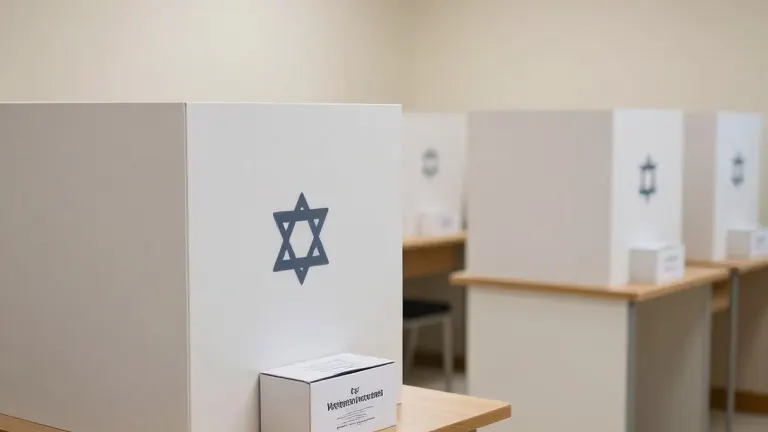
Isrealis cast their ballots today to select the members of the country's next Knesset. The vote determines which political blocs hold the power to form a government and set national policy.
Benjamin Netanyahu leads the Likud, a right-wing party that heads the current coalition. The party emphasizes national security, Jewish nationalism, and opposition to Palestinian statehood. Other parties in this bloc include Itamar Ben-Gvir's Otzma Yehudit, which advocates for expanded Jewish settlement and tougher law enforcement. Finance Minister Bezalel Smotrich leads the Religious Zionist Party-Zehut, which supports applying Israeli sovereignty over the West Bank and advancing judicial reform. The ultra-Orthodox parties Shas and United Torah Judaism also remain part of this bloc, prioritizing exemptions from military service for yeshiva students.
The opposition bloc features several centrist parties focused on government reform. Gadi Eisenkot leads Yashar, which seeks to replace Netanyahu and reform the government. Naftali Bennett's B'Yachad focuses on economic growth and the enlistment of haredi men in the IDF. Yair Golan heads the Democrats, a left-wing Zionist party that emphasizes liberal democracy and equality in military service. Avigdor Liberman's Yisrael Beytenu represents a secular nationalist position, calling for a tougher stance against Hamas and reduced religious influence in government.
Arab Israeli politics is represented by two distinct lists. The Joint List is generally left-wing and emphasizes civil rights and Palestinian national rights. Mansour Abbas's Ra'am takes a pragmatic approach, focusing on tackling crime and securing funding for Arab communities. Both lists compete for votes within the Arab population.
Three parties currently hover near the 3.25% electoral threshold required to enter the Knesset. Ofer Winter leads the People of Israel party, which supports Netanyahu and calls for new leadership outside the political establishment. It rejects blanket exemptions for yeshiva students and advocates for voluntary emigration from Gaza. The Reservists-Economic Party is led by Yoaz Hendel and Yaron Zelekha. It combines a right-leaning security agenda with economic reform and demands universal conscription before joining a government. Moti Leitner leads the Haredi Public Party, which offers an alternative to the established ultra-Orthodox groups by supporting broader haredi military service and core-curriculum studies.
The results of these threshold parties will determine the final balance of power. A shift in voter support for any of these groups could change the composition of the Knesset and the ability of the major blocs to assemble a governing majority.
Source: The Jerusalem Post