Rawlins hunter discards elk meat after finding extensive infections
Jacob Paintin and two companions discovered severe wounds and lead fragments in a bull elk shot near Rawlins on October 31, leading to the loss of the animal's meat.
By Simon Bennett ·
Jacob Paintin of Rawlins determined that a bull elk he harvested on October 31 was too damaged to provide food for his family, citing severe internal infections and lead contamination. The decision followed a physical examination of the carcass by Paintin and his hunting partners, Aaron Krob and Alex Davis.
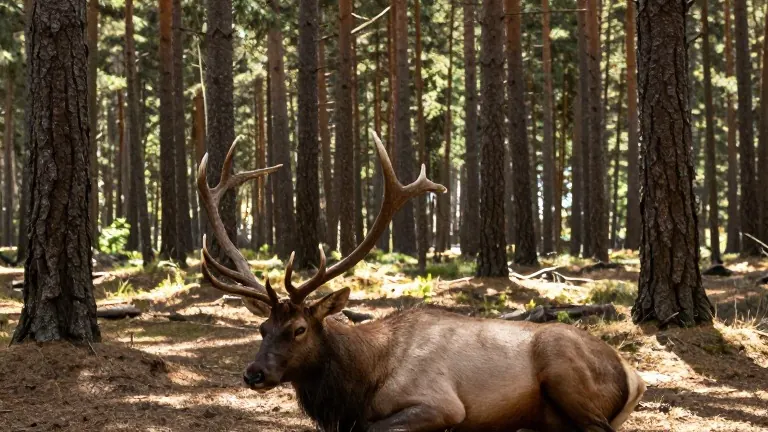
The three men were hunting on public land near Rawlins using general elk tags. Around noon, Paintin entered a small, forested section of public land that bordered private property. He located a group of elk and took aim at a specific bull that had a distinctive antler configuration. One side of the rack consisted of a single long spike. Paintin shot the animal, which fell to the ground.
Upon closer inspection, the bull appeared gaunt with sunken eyes. A visible, old wound was present on its neck. Krob and Davis arrived to assist with the field dressing process. During the gutting, they identified massive infections inside the animal. Paintin stated that the entire interior was full of infection, likely originating from the neck wound. The source of the wound was uncertain, potentially caused by a previous hunter's bullet or a fight with another bull during the mating season.
The three men reported a strong, rancid odor during the processing. Krob described the smell as the worst he had encountered from an animal. He noted that the scent remained on his hands for three days after the hunt. He observed large cysts inside the ribcage and concluded the bull was likely near the end of its life. The group managed to complete the field dressing without vomiting, though they worked with difficulty to keep the smell at bay.
The hunters transported the front quarters of the elk to a Wyoming Game and Fish check station. Game wardens inspected the meat and agreed that the front sections were too infected to consume. The group decided to butcher the hindquarters separately in hopes of salvaging that portion of the animal.
The following day, Paintin attempted to process the hindquarters at his home. He found the meat riddled with lead fragments, discolored, and spoiled. Krob speculated that the lead might have come from a single fragmented projectile or multiple shots. He suggested a shotgun blast to the hindquarters at an earlier date could explain the distribution of the lead.
Paintin had previously lost a significant amount of game meat from a deep freezer failure earlier in the season. He had supplemented his supplies with leftover cow elk meat from the previous year and a mule deer buck harvested in the current fall. The loss of the bull elk meat left him without fresh game from this specific hunt.
Paintin expressed satisfaction that the bull had been removed from the wild. He estimated the animal had suffered for days or weeks due to at least two previous wounds. He stated that the bull did not die in vain and that the experience allowed him to teach his sons about hunting ethics and preventing animal suffering.
While the meat was discarded, Paintin retained the skull and antlers. He plans to create a European mount of the distinctive rack. Krob offered to share his own spare game meat with Paintin to help offset the loss. Krob noted that the bull had been fighting for its life but likely would not have survived long. He described the outcome as a good story for Paintin's first bull elk.
More News · Cheyenne news · Report a business · Got a Story?